
An African safari is a transformative, bucket-list adventure that brings you face-to-face with the planet’s most majestic wildlife in their natural, unaltered habitats. Far from a curated zoo experience, a true safari involves stepping directly into ancient, intact ecosystems through a strategic combination of guided game drives, walking tracks, and water-based vessel cruises.
Planning a flawless expedition across these wild landscapes requires a solid baseline of practical knowledge. You must understand how to balance regional biomes, navigate shifting seasonal weather patterns, adhere to packing restrictions, and respect strict bush safety rules. This master guide delivers the exact framework needed to turn your African safari dreams into a perfectly executed reality.
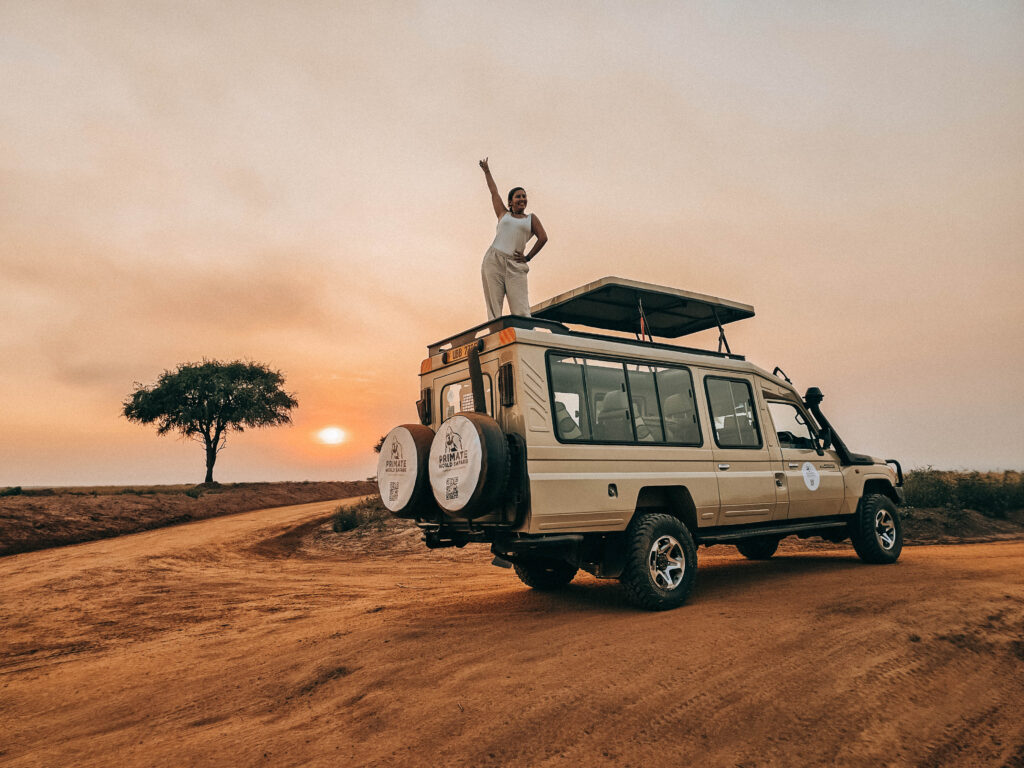
While the natural world is beautifully unpredictable, traditional savannah wildlife viewing often centers around spotting the iconic Big Five (lion, leopard, African elephant, Cape buffalo, and rhinoceros). Originally coined by 19th-century big-game hunters to denote the five most dangerous land mammals to track on foot, the term has been triumphantly reclaimed by modern conservationists and wildlife photographers as a premier biodiversity checklist.
However, Africa cannot be painted with a single brush. Depending on which distinct quadrant of the continent you choose to explore, your wilderness highlights, landscapes, and primary animal encounters will shift dramatically:
Region / Countries | Iconic Wildlife Ecosystems | Signature Experience |
East Africa (Kenya & Tanzania) | Serengeti National Park, Masai Mara National Reserve, Ngorongoro Crater | The Great Migration: Witnessing millions of wildebeest, zebras, and elands thunder across golden plains and brave crocodile-infested rivers in a continuous, annual cycle for survival. |
Primate Capital (Uganda & Rwanda) | Bwindi Impenetrable National Park, Volcanoes National Park, Kibale Forest | Ape Tracking: Embarking on deep forest treks through ancient, misty jungles to spend an hour standing meters away from endangered Mountain Gorillas and habituated Chimpanzees. |
Southern Africa (South Africa, Botswana, Zimbabwe) | Kruger National Park, Okavango Delta, Chobe National Park, Hwange National Park | Water Safaris & Private Concessions: Gliding silently in traditional dugout canoes (mokoros) past hippos, viewing massive elephant herds, and experiencing exclusive, off-road night drives. |
Because Africa’s premier safari zones sit along or near the equator, climate shifts are not defined by traditional winter snow or summer heat, but rather by alternating dry and rainy cycles. Choosing when to travel radically dictates how easily you will spot predators, how comfortable your daily tracks will be, and the overall price tag of your itinerary.
The dry season is universally recognized as the peak period for traditional savannah game viewing. As the weeks progress without rain, the thick, golden bush vegetation dries up and thins out completely, stripping predators of their natural hiding spots and making tracking significantly easier. More importantly, inland seasonal pools evaporate entirely, forcing herbivores and big cats to congregate predictably around permanent rivers, channels, and primary water holes.
For travelers heading to the rainforests of Uganda and Rwanda for primate trekking, this window is equally vital. The steep, unpaved mountain trails are significantly firmer and less muddy, reducing the physical strain of tracking gorillas. The trade-off for this premium weather is a high-demand booking window with peak seasonal pricing across all lodges and extreme scarcity for daily national park permits.
Often overlooked by first-time travelers, the wet or green season is the premier window for budget-conscious adventurers, landscape photographers, and passionate birdwatchers. Once the rains arrive, the parched earth transforms into a stunning, emerald-green paradise. This period marks the primary calving and lambing season for plains game, flooding the savannahs with vulnerable newborns and triggering intense, fast-paced predator action.
Migratory birds arrive by the thousands from Europe and Northern Africa, turning wetlands into an avian wonderland. Furthermore, because tourist numbers drop sharply, luxury eco-lodges offer massive off-season discounts to fill their rooms. The primary trade-offs are that wildlife can be harder to spot through the dense, tall brush, animals scatter freely because water is abundant everywhere, and dirt tracks can become incredibly muddy and physically challenging to navigate.
Packing for a safari requires leaving bright fashion choices and rigid luggage behind in favor of muted utility. Because domestic transfers between remote bush airstrips utilize small, light aircraft (such as Cessna Caravans), hard-shell suitcases with wheels are strictly prohibited. These planes feature tiny, irregular cargo pods; travelers must pack everything into a soft-sided duffel bag with strict weight limits between 15 and 20 kg (33 and 44 lbs), heavily enforced for aircraft safety.
1. Your clothing choices should prioritize protection and environmental blending.
2. Pack lightweight, breathable layers in strict earth tones like khaki, tan, beige, and olive green.
3. Bright white fabrics show dust instantly and ruin photography contrast, while neon colors can startle nervous wildlife.
4. Crucially, do not wear solid dark blue or solid black clothing, as these shades are scientific magnets for aggressive, biting tsetse flies.
Additionally, civilian camouflage clothing is completely illegal or heavily restricted in several African nations; leave all camo patterns at home.
A high-quality pair of 8*42 or 10*42 binoculars is completely non-negotiable; you should never rely on sharing a single pair with your guide or travel partner.
For photography, carry a dedicated camera body paired with a telephoto zoom lens (minimum 300mm) to capture crisp shots of distant wildlife.
Always pack a robust, high-capacity portable power bank, as remote eco-lodges often cut their solar or generator power grids overnight to preserve energy.
Always visit a certified travel clinic at least two months before your departure date. Depending on your exact routing, presenting a physical yellow Fever vaccination card may be a mandatory border entry requirement. You will also need to procure the correct regional malaria prophylaxis and pack a specialized first-aid kit containing blister pads, anti-diarrhea medication, and high-strength insect repellent containing DEET.
National parks and game reserves are not theme parks; they are completely unfenced, wild domains where predators hold absolute right of way. To protect your personal safety and maintain the ecological integrity of the wild, you must follow three golden rules:
Every dream safari can be custom-tailored around your unique passions. To help us narrow down your options and build a logistically seamless route, reply with:
The iconic savannas and deep primate forests of East Africa are waiting for you. Because daily trekking permits and boutique eco-lodges are strictly limited by law to protect fragile environments and endangered species, early organization is the absolute key to a flawless trip.
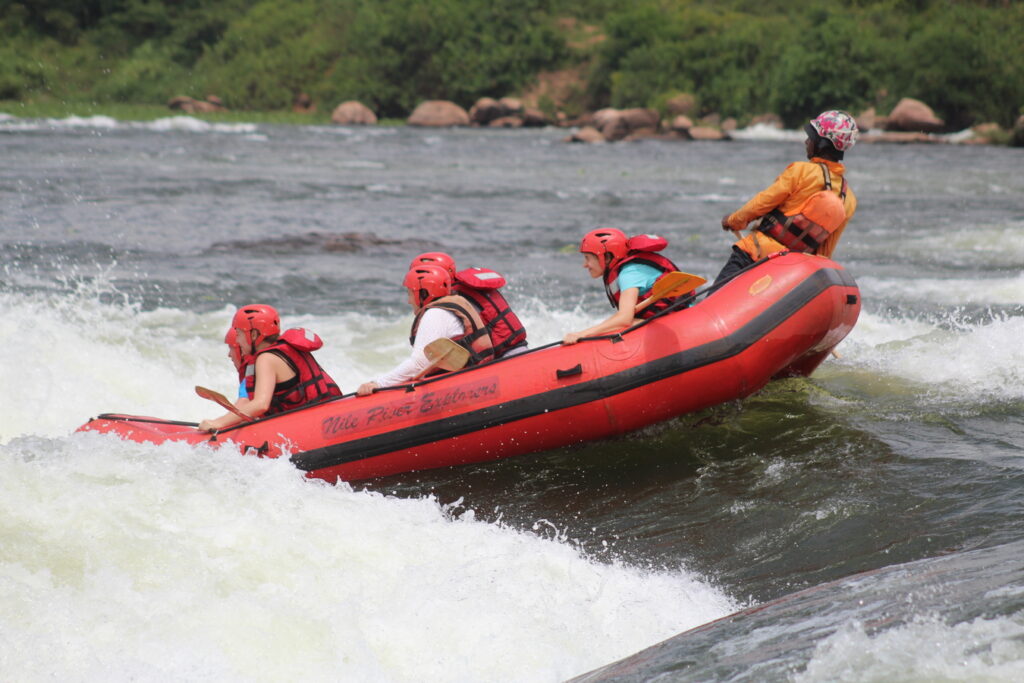
Ready to turn your safari goals into an effortlessly planned reality? Connect with the destination experts at Primate World Safaris. As one of the recommended lasting tour operators fully licensed by the Uganda Tourism Board (UTB) and active members of the Association of Uganda Tour Operators (AUTO), they manage every detail of your African expedition. From securing hard-to-get government permits under the strict new immediate-payment rules to providing impeccably maintained 4×4 Land Cruisers and pairing you with legendary local guides, they ensure your trip is safe, seamless, and deeply moving.