
Why Your Gorilla Trek Is Helping Save an Endangered Species
Standing just a few metres from a wild mountain gorilla is an unforgettable experience. The silverback watches quietly as his family feeds nearby, infants tumble through the vegetation, and mothers carefully care for their young. For one precious hour, visitors witness a scene that few people on Earth will ever experience.
But what many travelers don’t realize is that their gorilla trekking adventure does far more than create lifelong memories; it directly contributes to the survival of one of the world’s most endangered great apes.
Every gorilla trekking permit purchased in Uganda or Rwanda plays an important role in protecting mountain gorillas, preserving their rainforest habitat, supporting local communities, funding wildlife rangers, and ensuring that future generations will continue to experience these incredible animals in the wild.
As safari specialists who organize gorilla trekking experiences throughout Uganda and Rwanda, we’ve seen firsthand how responsible tourism has transformed conservation. Communities that once relied on forest resources now benefit from protecting wildlife, while gorilla populations continue to recover through collaborative conservation efforts.
This is the remarkable story behind every gorilla trekking permit.
Mountain Gorillas Were Once on the Brink
Only a few decades ago, mountain gorillas faced an uncertain future.
Habitat destruction, poaching, political instability, disease, and human population growth threatened the survival of these remarkable primates across the Virunga Massif and Bwindi Impenetrable Forest.
At one point, conservationists feared mountain gorillas could disappear forever.
Today, there are more than 1,000 mountain gorillas remaining in the wild, making them one of the few great ape populations whose numbers are increasing, a rare conservation success.
This recovery didn’t happen by chance.
It happened because governments, conservation organizations, researchers, local communities, veterinarians, and responsible travelers all became partners in protecting them.
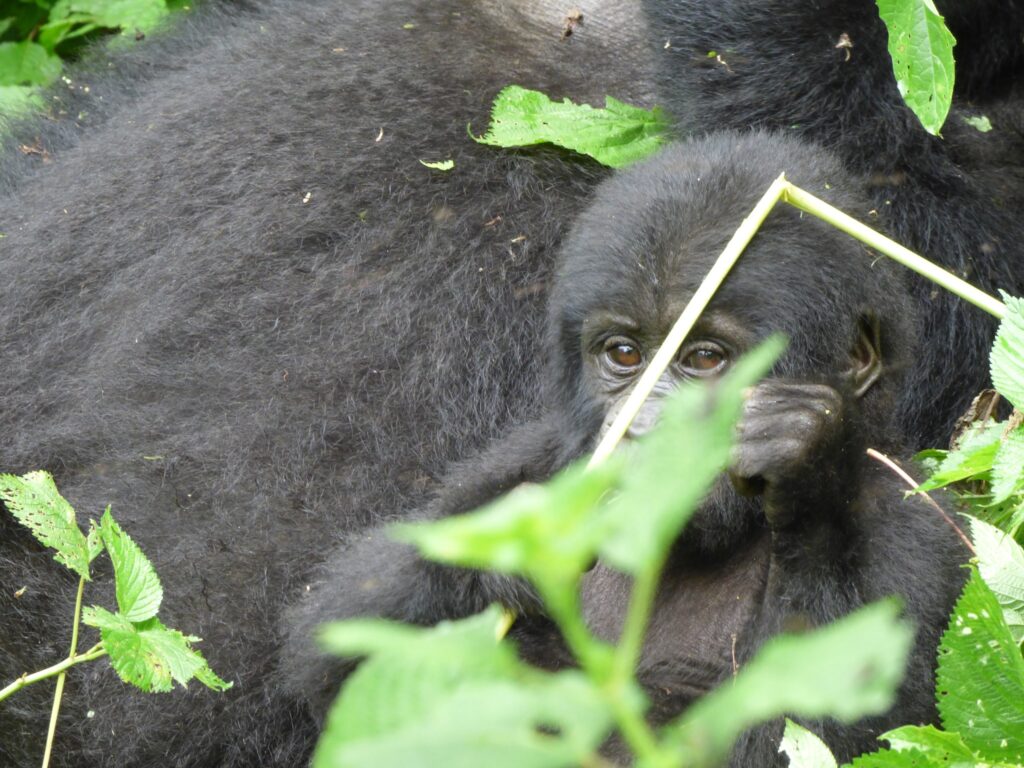
Why Gorilla Tourism Matters
Unlike many wildlife experiences, gorilla trekking is carefully managed.
Only a limited number of visitors are allowed to visit each habituated gorilla family every day.
This controlled approach serves two purposes:
- minimizing stress on gorillas
- generating sustainable conservation revenue
Instead of mass tourism, Uganda and Rwanda have chosen high-value, low-impact tourism, where fewer visitors pay premium permit fees that directly support conservation.
This strategy protects wildlife while providing long-term financial resources.
Where Does Your Gorilla Permit Money Go?
One of the questions we hear most often is:
“Does my permit actually help the gorillas?”
The answer is yes.
While government budgeting differs between Uganda and Rwanda, permit revenue contributes to a wide range of conservation activities.
1. Protecting National Parks
Maintaining protected forests requires constant investment.
Permit revenue helps support the management of:
- Bwindi Impenetrable National Park
- Mgahinga Gorilla National Park
- Volcanoes National Park
These protected landscapes safeguard not only mountain gorillas but also hundreds of other species, including forest elephants, chimpanzees, monkeys, birds, butterflies, reptiles, and thousands of plant species.
Healthy forests also protect vital watersheds and store significant amounts of carbon.
2. Funding Ranger Patrols
Every day, wildlife rangers patrol dense rainforest to protect gorillas from illegal activities.
Their work includes:
- monitoring gorilla families
- removing illegal snares
- preventing poaching
- reporting encroachment
- assisting researchers
- guiding tourists safely
Without continuous ranger patrols, conservation would be impossible.
Visitors rarely see the enormous effort that takes place before trekking begins each morning.
3. Veterinary Care for Wild Gorillas
Mountain gorillas can suffer from injuries, respiratory illnesses, and other health problems.
Organizations such as the Gorilla Doctors work alongside wildlife authorities to monitor gorilla health and provide veterinary intervention when necessary.
Veterinary teams have successfully treated:
- snare injuries
- infections
- traumatic wounds
- disease outbreaks
These interventions have saved numerous gorilla lives over the years.
4. Supporting Local Communities
Perhaps the greatest conservation success has been changing the relationship between nearby communities and wildlife.
Today, gorilla tourism creates employment through:
- tour guiding
- porters
- accommodation
- transportation
- handicrafts
- cultural experiences
- restaurants
- local markets
Revenue-sharing programs also help fund community projects such as schools, health centres, clean water systems, and roads.
When communities benefit from tourism, protecting gorillas becomes an economic opportunity rather than a burden.
5. Scientific Research
Long-term monitoring helps conservationists understand:
- population growth
- births
- migration
- disease
- genetics
- habitat use
- climate impacts
This information guides future conservation decisions and ensures gorilla populations remain healthy.
Why Gorilla Permits Are Limited
Many travelers wonder why gorilla permits are expensive and why numbers are restricted.
The answer lies in conservation.
Only a small number of visitors may spend one hour with each habituated gorilla family each day.
These limits help reduce:
- stress
- disease transmission
- behavioral disturbance
- environmental damage
Protecting gorillas will always take priority over increasing tourist numbers.
Tourism Helps Protect Forests
The forests where mountain gorillas live are among Africa’s richest ecosystems.
Without tourism, these forests would face increasing pressure from:
- illegal logging
- charcoal production
- agricultural expansion
- settlement
- hunting
Because gorilla tourism generates sustainable income, governments and communities have stronger incentives to preserve these habitats.
Protecting gorillas also protects thousands of other species that share the same ecosystem.
Your Visit Supports Local Livelihoods
Every gorilla trek creates opportunities for dozens of people.
Your safari may directly support:
- drivers
- guides
- lodge staff
- cooks
- cleaners
- craft makers
- farmers
- community performers
- porters
Choosing locally owned businesses whenever possible increases the economic benefits that remain within surrounding communities.
Responsible Gorilla Tourism Matters
Not all tourism benefits conservation equally.
Responsible travelers help protect gorillas by following park regulations, including:
- maintaining the recommended viewing distance
- avoiding flash photography
- speaking quietly
- never feeding gorillas
- staying home if feeling unwell
- following ranger instructions
These simple actions reduce risks to both visitors and wildlife.
Read More About Responsible Tourism
Beyond Gorilla Trekking
Many visitors extend their safari to include:
- chimpanzee trekking
- golden monkey tracking
- bird watching
- cultural experiences
- game drives
- community walks
These activities diversify tourism income and spread conservation benefits across multiple protected areas.
Our Experience at Primate World Safaris
One of the most rewarding moments we witness is when guests realize that their safari is contributing to something much larger than a holiday.
Many arrive expecting an unforgettable wildlife encounter.
They leave with a deeper appreciation for the people working behind the scenes, rangers rising before dawn, trackers locating gorilla families, veterinarians responding to emergencies, and communities choosing conservation as a sustainable future.
We’ve also seen how hiring a local porter, purchasing community-made crafts, or spending an extra night in a nearby lodge creates meaningful economic opportunities for families living alongside protected forests.
Responsible tourism isn’t simply about seeing wildlife. It’s about helping ensure those wildlife populations continue to thrive.
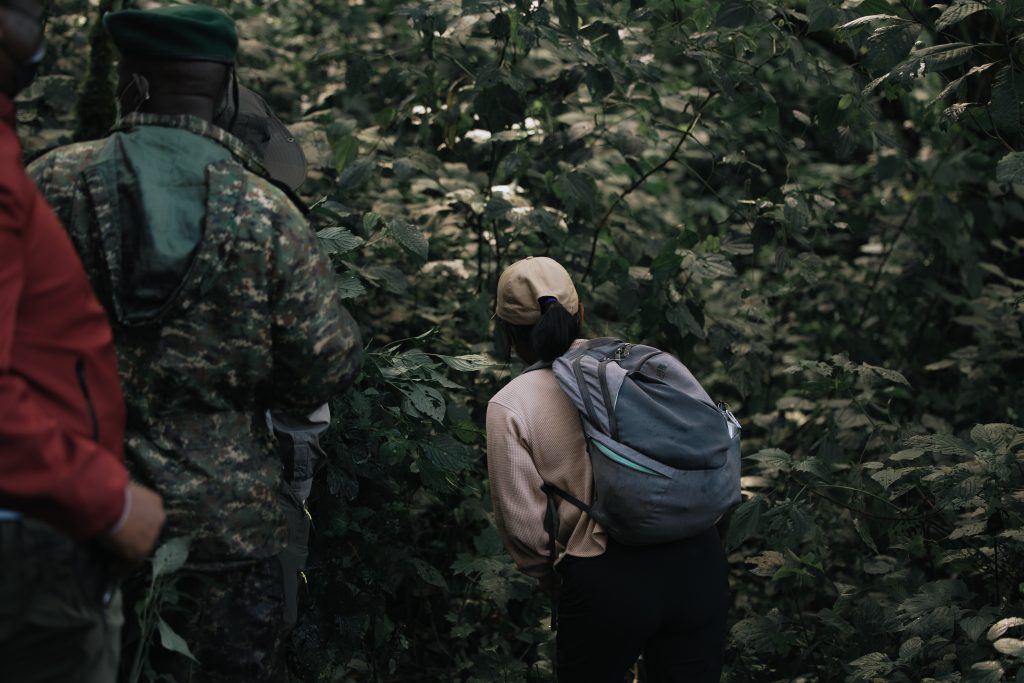
How You Can Make an Even Bigger Difference
If you’re planning a gorilla safari, you can maximize your conservation impact by:
- Booking through a licensed and responsible tour operator.
- Hiring a local porter during your trek.
- Purchasing authentic community-made crafts.
- Respecting all park rules.
- Avoiding single-use plastics where possible.
- Supporting conservation organizations working in the region.
- Sharing accurate conservation information after your trip.
Every small action contributes to protecting mountain gorillas and their habitat.
Final Thoughts
Gorilla tourism has become one of Africa’s greatest conservation success stories.
Every permit purchased helps fund ranger patrols, habitat protection, scientific research, veterinary care, and community development while providing a sustainable reason to protect mountain gorillas and the forests they call home.
When you stand quietly in the rainforest watching a silverback and his family, you’re not just witnessing one of nature’s most extraordinary encounters.
You’re taking part in a conservation model that has helped bring an endangered species back from the brink.
At Primate World Safaris, we believe every gorilla safari should leave a positive legacy, for our guests, for local communities, and most importantly, for the mountain gorillas whose future depends on responsible tourism.
If you’re ready to experience mountain gorillas while contributing to their long-term survival, our safari specialists can help you plan an unforgettable and conservation-focused journey through Uganda or Rwanda.
Frequently Asked Questions
Does gorilla trekking really help conservation?
Yes. Gorilla trekking permits generate revenue that supports protected area management, ranger patrols, community initiatives, scientific research, and wildlife monitoring. Tourism also creates economic incentives for conserving forests and wildlife.
Why are gorilla trekking permits expensive?
Permit fees help fund conservation while limiting visitor numbers. Restricting access reduces disturbance to gorilla families and provides sustainable financing for long-term protection.
How many people can visit a gorilla family each day?
Visitor numbers are strictly controlled, with only a limited number of people allowed to spend one hour with each habituated gorilla family daily. Exact limits are determined by the relevant wildlife authorities and conservation policies.
How do local communities benefit from gorilla tourism?
Communities benefit through employment, revenue-sharing programs, local businesses, handicraft sales, cultural tourism, and infrastructure projects funded in part by tourism income.
Can tourists contribute beyond buying a permit?
Yes. Hiring local porters, staying in community-supported lodges, purchasing locally made products, respecting park regulations, and supporting conservation organizations all increase the positive impact of your visit.