Chimpanzee trekking in Uganda is one of Africa’s most unforgettable wildlife experiences. Imagine walking through a lush tropical rainforest while listening to distant pant-hoots echo through the trees. Suddenly, your guide signals for silence. A troop of wild chimpanzees appears overhead, feeding, grooming, communicating, and swinging effortlessly through the forest canopy.
As humanity’s closest living relatives, chimpanzees share approximately 98% of our DNA. Their intelligence, social behavior, emotions, and use of tools make every encounter fascinating. Whether you are planning your first Uganda safari or looking to combine chimpanzee trekking with gorilla trekking, this guide covers everything you need to know.
From Kibale National Park to Budongo Forest and Kyambura Gorge, Uganda offers some of the best chimpanzee tracking opportunities in Africa. In this guide, you’ll learn where to go, when to visit, permit requirements, packing tips, trekking rules, conservation efforts, and how to plan the ultimate chimpanzee safari in Uganda.
Uganda is widely regarded as one of the premier destinations for chimpanzee trekking in Africa. The country is home to an estimated 5,000 chimpanzees living in protected forests and national parks across the country.
What makes Uganda particularly special is the diversity of chimpanzee habitats available to visitors. Unlike many destinations that offer only one trekking location, Uganda provides several unique chimpanzee experiences, including Kibale National Park, Budongo Forest, Kyambura Gorge, Kalinzu Forest, Semuliki Wildlife Reserve, and Ngamba Island Chimpanzee Sanctuary.
Furthermore, Uganda is one of the few places in the world where visitors can combine chimpanzee trekking, mountain gorilla trekking, Big Five safaris, birdwatching, cultural experiences, and boat cruises within a single itinerary.
For travelers seeking the ultimate primate safari, Uganda remains unmatched.
Chimpanzee trekking is a guided wildlife activity that involves walking through tropical forests in search of wild chimpanzees. Accompanied by experienced Uganda Wildlife Authority rangers, visitors follow fresh feeding signs, nesting sites, vocalizations, and movement patterns until a chimpanzee community is located.
Once the chimpanzees are found, visitors are typically allowed one hour to observe and photograph them from a safe distance. During this time, you may witness grooming, feeding, territorial displays, social interactions, communication, and playful behavior among young chimpanzees.
Every trek is unique. Since chimpanzees are wild animals that move freely through the forest, no two experiences are ever exactly the same.
Take a look at some of our safari packages and let us know what is inspiring your next great adventure.
Additionally, feel free to reach out to us for a fully custom-made safari. This can be designed with all your needs, budget and schedule as the basis.




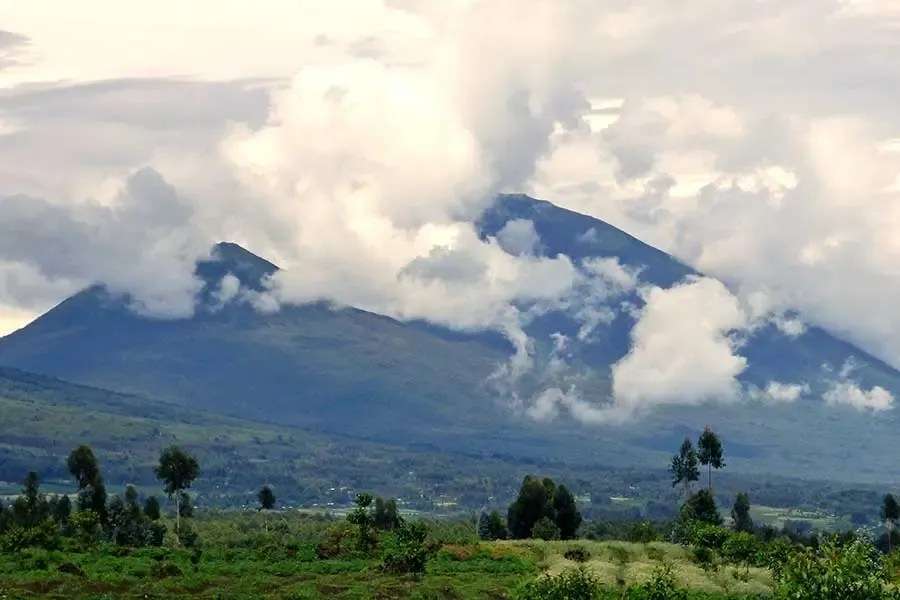
A chimpanzee trekking permit is mandatory for anyone wishing to participate in chimpanzee tracking activities in Uganda.
Permits help regulate visitor numbers and minimize the impact of tourism on chimpanzee populations. They also contribute directly to conservation programs, ranger patrols, scientific research, and community development initiatives.
Because permit availability is limited, booking well in advance is highly recommended, especially during peak travel seasons.
When you book your safari with Primate World Safaris, we arrange all permits and logistics on your behalf, ensuring a seamless travel experience.
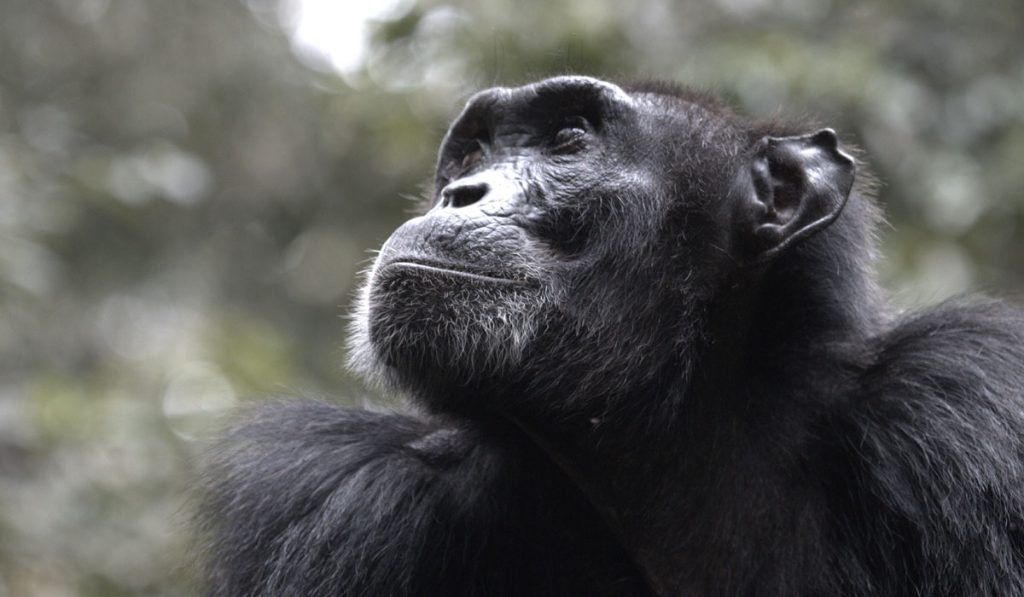
For travelers who want more than the standard one-hour encounter, the Chimpanzee Habituation Experience is one of Uganda’s most rewarding wildlife activities.
Unlike regular chimpanzee trekking, which allows visitors one hour with a fully habituated community, habituation experiences involve accompanying researchers and trackers as they gradually accustom chimpanzees to human presence.
Participants can spend up to a full day observing chimpanzees as they:
The Chimpanzee Habituation Experience in Kibale National Park is considered one of the most immersive primate experiences available anywhere in Africa.
Your day begins with an early morning briefing at the park headquarters. Rangers explain the rules, safety procedures, and expectations before assigning visitors to tracking groups.
After entering the forest, guides use their knowledge of chimpanzee behavior to locate the community. Trekking can last anywhere from 30 minutes to several hours, depending on the location of the chimpanzees.
Once found, visitors spend approximately one hour observing the chimpanzees.
This is often the highlight of the safari.
Watching young chimpanzees play while dominant males patrol the group and mothers care for their infants provides a remarkable glimpse into the lives of our closest relatives.
Chimpanzee trekking is available throughout the year. However, the dry seasons generally provide the most comfortable trekking conditions.
During these months, trails are easier to navigate, vegetation is less dense, and photography conditions are often excellent.
While trekking can be more challenging due to muddy trails, the forests are lush and green. Additionally, food is more abundant, meaning chimpanzees often remain within predictable areas.
For photographers and birdwatchers, the wet season can be particularly rewarding.
Chimpanzee trekking is generally considered easier than gorilla trekking.
Most trekking routes follow established forest trails with moderate terrain. However, the difficulty varies depending on weather conditions and the location of the chimpanzee community on a given day.
Visitors with average fitness levels usually complete the trek comfortably.
Wearing proper hiking footwear and carrying sufficient water will greatly improve your experience.
Preparing properly can make your trek significantly more enjoyable.
Essential items include:
Neutral-colored clothing is recommended because bright colors may attract unwanted attention from insects.
To protect both visitors and chimpanzees, the Uganda Wildlife Authority enforces strict guidelines.
Important rules include:
These regulations help protect chimpanzees from human diseases and reduce stress on the animals.

Chimpanzees are intelligent and highly social animals. They display emotions, maintain family relationships, and communicate using a sophisticated range of vocalizations and gestures.
However, they remain wild animals.
Although habituated chimpanzee communities are accustomed to human observers, chimpanzees can become aggressive if they feel threatened or provoked.
This is why maintaining a safe distance and following ranger instructions is extremely important.
Chimpanzees are omnivores with a varied diet.
They primarily feed on:
Occasionally, chimpanzees hunt small mammals and other primates.
One of the most fascinating aspects of chimpanzee behavior is their use of tools. They often use sticks to extract termites from mounds and stones to crack nuts.
Chimpanzees live in communities that can range from 10 to more than 100 individuals.
Each community is led by a dominant alpha male who maintains social order and protects the group. Within these communities, chimpanzees form strong family bonds and frequently engage in grooming, cooperation, and childcare.
Young chimpanzees remain dependent on their mothers for several years before becoming more independent.
Researchers continue to study chimpanzee societies because their behavior provides valuable insights into human evolution and social development.
One of the most common questions travelers ask is whether they should choose chimpanzee trekking or gorilla trekking.
The answer is simple: if possible, do both.
Chimpanzee trekking is active, fast-paced, and dynamic. Chimpanzees move frequently through the forest and are constantly vocalizing, feeding, and interacting.
Gorilla trekking is calmer and more intimate. Mountain gorillas tend to remain in smaller family groups and spend much of their time feeding, resting, and interacting at close range.
Together, these experiences create one of the world’s greatest wildlife adventures.

Every chimpanzee trekking permit contributes directly to conservation efforts in Uganda.
Tourism revenue supports:
By visiting Uganda’s chimpanzee habitats responsibly, travelers help protect these remarkable primates for future generations.
You can see chimpanzees in several rainforests in Uganda and Rwanda. The best place to see chimps in the wild is Kibale National Park in Uganda.
Kibale is home to more than 5000 chimpanzees as well as more than 10 other species of primates. It provides the best chimpanzee viewing experiences in the whole world.
Besides Kibale, Chimpanzees can also be seen in Budongo Forest and Kyambura Gorge of Uganda as well as Nyungwe Forest National Park in Rwanda.
Our Primate Tracking Safari for chimpanzee tracking often goes to Kibale since it offers the best opportunity and guarantee for seeing chimps.
The dry season months are regarded the best time to see chimpanzees in the wild. This is because the reduced rainfall makes it easier to navigate the dense rainforest.
The dry season months are typically between December and February, as well as between June and September.
You should however know that rainforests have microclimates that make it possible to receive rain throughout the whole year. This means that even in the dry season months, the rain can start without prior warning.
We therefore advise our clients to follow their schedule when it comes to Primate tracking safari (gorillas and chimps) since their natural forests can never guarantee a dry day of tracking. The good thing about East Africa is that you can witness heavy rain for a short time and then the sun comes up again to dry and warm you.
The chimpanzees and Primate tracking safari are generally friendly and not aggressive towards visitors.
The chimpanzee groups you track are habituated for several years so that they can get used to seeing humans without fearing or attacking. This is why you don’t have to be afraid of them.
The other primates are not necessarily habituated but they are used to seeing people and also pose no threat.
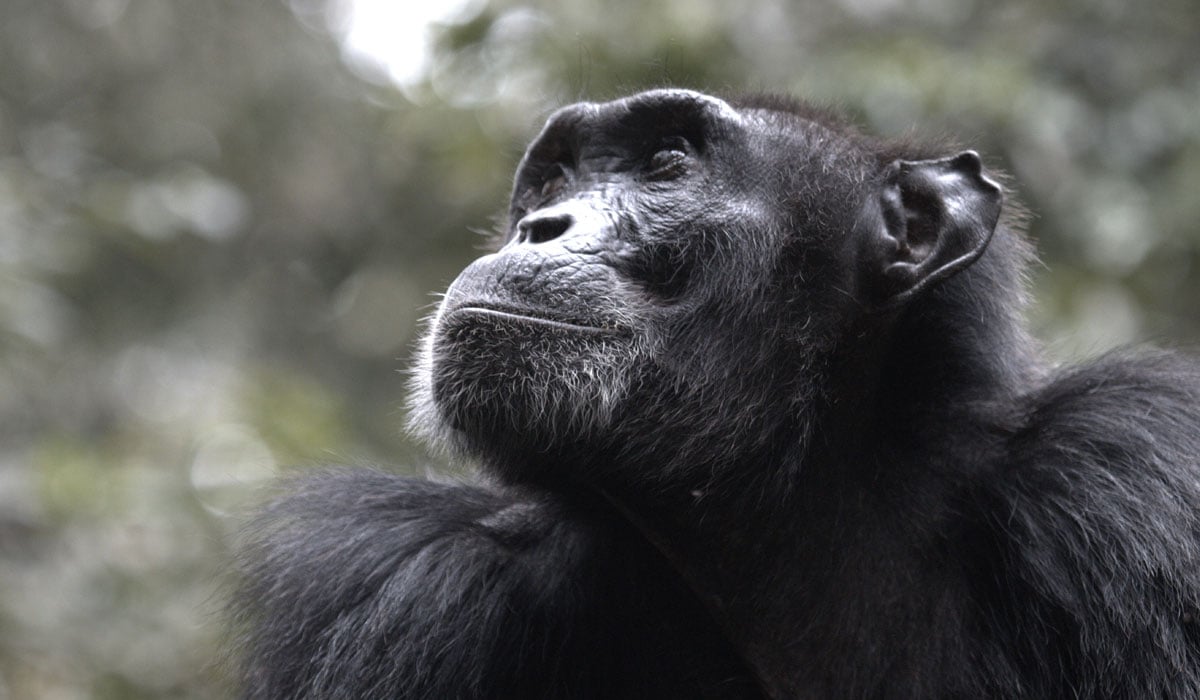
When you are going for a chimp tracking experience, you always start off with a briefing from the rangers who are in charge of the parks. In this briefing, the rangers will tell you all the rules and guidelines to follow for a successful chimpanzee tracking exercise.
These Primate tracking safari guidelines are inline with the ongoing conservation of the chimpanzees, other primates and the natural environment they call home. Here are guideline to keep in mind.
With each Primate tracking safari, we often advise our guest on what to pack that will specifically work for that safari. This depends on the number of days, all the activities involved and the season of their travel.
Generally for chimpanzees, you need to be prepared for the reality of spending time in the middle of a rainforest. The chance of rain, mud and some cold.
Here are some things you should carry.
Chimpanzees are a great tourism activity that attracts many visitors to both Uganda and Rwanda. The result of this is well developed hospitality infrastructure – such as hotels and lodges.
There are many lodges for guests to choose from, and they are tailored for various budgets and styles. Whether you want to camp under the stars or relax in luxury on your Primate tracking safari, it is all there to make sure that your experience is great.

These lodges and hotels employ a professional team to take care of you, and the experienced chefs are able to make delicious local and international foods.
A chimpanzee and Primate tracking safari can easily be combined with other activities such as gorilla trekking, wildlife viewing in the savannah, cultural encounters, white water rafting and mountain climbing among many others.
Most of our safaris already combine chimpanzee and primate tracking with some of these other travel experiences. Take a look at any of our packages to get a great idea of how various activities combine well with chimpanzee tracking to make a great flowing safari adventure.
We want to take you on a Primate tracking safari to track chimpanzees in the wild in Uganda, or Rwanda.
Here are 3 great reasons why we are the right choice.
To get a proper feel of who we are as people and as a company, read the About Us section and take a look at our reviews of platforms like TripAdvisor.
At Primate World Safaris, we specialize in unforgettable primate adventures across Uganda and Rwanda. Our expert team handles every detail, from securing chimpanzee trekking permits to arranging accommodation, transportation, and experienced guides.
Whether you dream of tracking chimpanzees in Kibale Forest, combining chimpanzee trekking with gorilla trekking, or creating a tailor-made Uganda safari, we design journeys that deliver extraordinary wildlife encounters and lifelong memories.
Contact Primate World Safaris today and let us help you plan the ultimate chimpanzee trekking safari in Uganda.