What to Wear Gorilla Trekking: Complete Packing & Clothing Guide

What to wear gorilla trekking is one of the first practical questions we hear from travelers preparing for a gorilla safari in Uganda or Rwanda.

And it is an important question.

Gorilla trekking is not a normal game drive. You are walking through a rainforest where conditions can change quickly. The trail may be dry in one section and muddy in another. You may encounter steep slopes, thick vegetation, rain, humidity, and uneven ground. What you wear can make the difference between concentrating on the gorillas and spending the entire trek thinking about wet socks, slippery boots, or uncomfortable clothing.

At Primate World Safaris, we have helped travelers prepare for gorilla trekking in Uganda and Rwanda, and we have learned that the best clothing is not necessarily the most expensive clothing.

It is clothing that is comfortable, practical, protective, and suitable for wet forest conditions.

In this guide, we explain exactly what to wear for gorilla trekking, what to pack in your daypack, which footwear we recommend, whether you need gaiters and gloves, what to wear in rainy weather, what not to bring, and how to prepare for the trek.


Quick Answer: What Should You Wear Gorilla Trekking?

For a typical gorilla trek, we recommend wearing:

  • Sturdy, broken-in hiking boots with good traction.
  • Long, lightweight trekking trousers.
  • A long-sleeved shirt.
  • A waterproof or rain-resistant jacket.
  • Trekking or gardening gloves.
  • Long socks.
  • Gaiters, if available, are particularly for muddy or wet conditions.
  • A comfortable daypack.
  • A hat or cap.
  • Layers that can be added or removed as temperatures change.

We also recommend carrying:

  • Drinking water.
  • Snacks were permitted.
  • Insect repellent.
  • Sunscreen.
  • Personal medication.
  • Camera or phone.
  • Waterproof protection for electronics.
  • Rain protection.
  • Identification and other required travel documents.

The most important rule we give our guests is simple:

Dress for the forest, not for the photograph you imagine taking in the forest.

The gorillas will not care whether your trekking outfit is fashionable. Your feet, however, will care very much whether your boots are comfortable.
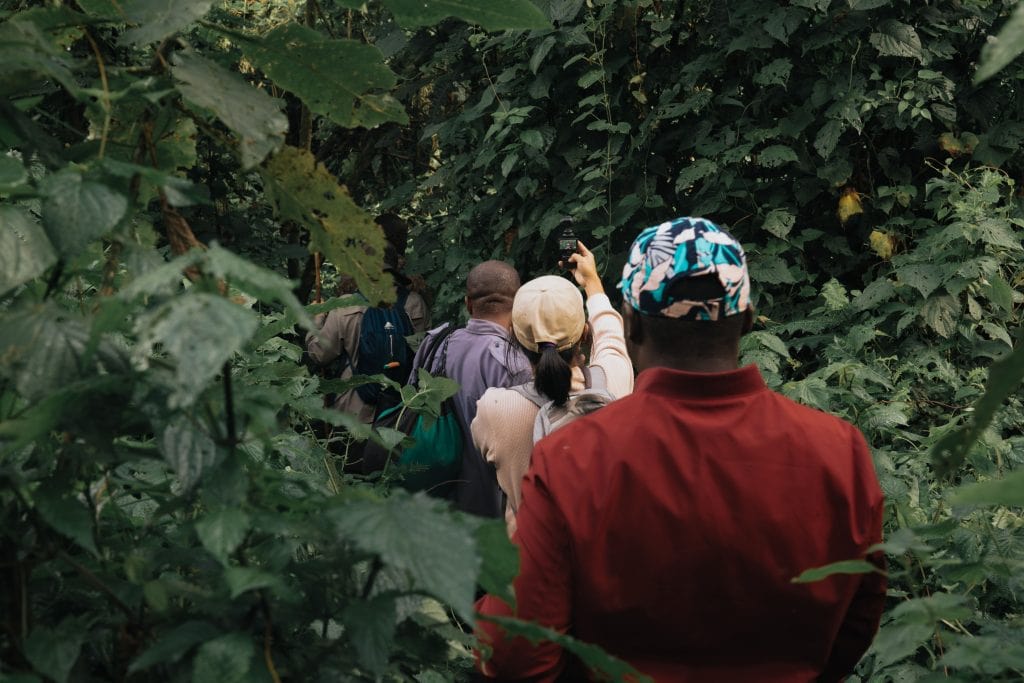
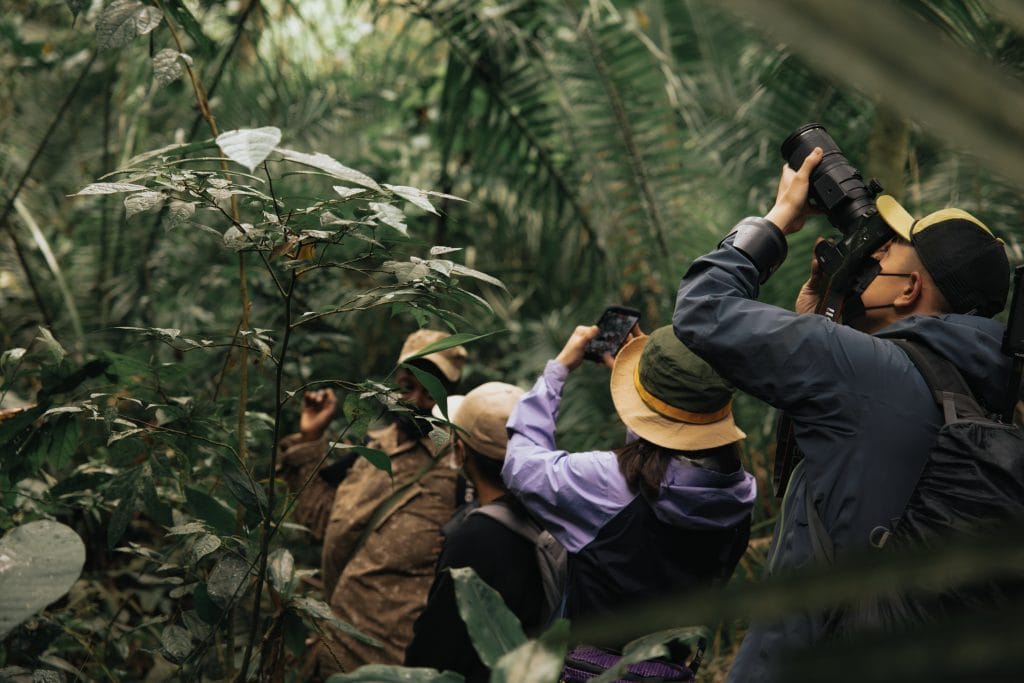
Tourists trekking in bwindi
What to Wear Gorilla Trekking


Why What You Wear Matters on a Gorilla Trek

Gorilla trekking takes place in rainforest environments, including Bwindi Impenetrable National Park and Mgahinga Gorilla National Park in Uganda and Volcanoes National Park in Rwanda.

These are not flat walking trails designed around visitors.

Depending on the location of the gorilla family, you may walk through dense vegetation and across uneven or steep terrain.

Rain is also possible.

For this reason, choosing what to wear gorilla trekking is really about managing four things:

  1. Traction
  2. Protection
  3. Comfort
  4. Weather

Good trekking clothing helps protect your legs from vegetation, keeps you comfortable during long periods of walking and helps you cope with rain and mud.

The right footwear is particularly important because slipping on a muddy slope can quickly turn an enjoyable trek into an uncomfortable one.


What Shoes Should You Wear Gorilla Trekking?

If you remember only one thing from this gorilla trekking packing guide, remember this:

Wear good hiking boots.

We recommend sturdy, comfortable hiking boots with good grip and ankle support.

The forest floor can be muddy, slippery, and uneven, so ordinary trainers or casual walking shoes are not our first choice.

Your boots should ideally provide:

  • Good traction.
  • Secure ankle support.
  • Comfortable fit.
  • Protection from mud and wet conditions.
  • Enough room for your toes.
  • A sole designed for uneven terrain.

Do not wear brand-new boots on your trek

This is one of the most important pieces of advice we give travelers.

Break your hiking boots in before you arrive.

A boot that feels comfortable for ten minutes in a shop may become very uncomfortable after several hours of walking.

Wear them on walks before your gorilla safari so you know where they rub and whether you need different socks or insoles.

Should gorilla trekking boots be waterproof?

Water-resistant or waterproof boots can be useful because you may encounter rain and wet ground.

However, waterproof boots are not magic.

In heavy rain or deep mud, water can still find its way inside through the top of the boot or around your clothing.

This is why we recommend combining appropriate boots with good socks, trousers, and gaiters where useful.


Can You Wear Sneakers Gorilla Trekking?

We generally recommend hiking boots over sneakers.

Sneakers may be comfortable on ordinary roads or city walks, but gorilla trekking can involve mud, steep sections, wet vegetation and uneven ground.

A sneaker with a smooth or relatively shallow sole may not provide the traction you want.

If you are physically fit and your particular trek is easy, ordinary walking shoes may seem sufficient, but we prefer travelers to prepare for the conditions rather than assume the trail will be easy.

When someone asks us what shoes to wear gorilla trekking, our answer is almost always:

Choose comfortable hiking boots with good traction and break them in before your safari.


What Pants Should You Wear Gorilla Trekking?

We recommend long trekking trousers rather than shorts.

Long trousers provide practical protection from:

  • Vegetation.
  • Mud.
  • Insects.
  • Scratches.
  • Wet foliage.
  • Sun exposure.

Lightweight hiking trousers are usually more comfortable than heavy jeans.

We do not recommend jeans as our first choice because they can become heavy and uncomfortable when wet and do not dry as easily as purpose-designed trekking fabrics.

What color should your gorilla trekking clothes be?

We generally recommend practical, muted colors rather than very bright clothing.

Earth tones and neutral colors are comfortable and practical for forest environments and photography.

More importantly, choose clothing for comfort and protection rather than worrying about finding a special “gorilla trekking color.”

Your clothing does not need to be expensive or highly technical.


Should You Wear Shorts Gorilla Trekking?

We recommend long trousers for most travelers.

The vegetation can be thick, and long trousers offer additional protection for your legs.

Shorts may be comfortable in warm weather, but the rainforest environment is different from walking on a paved trail or going on a typical safari game drive.

If you prefer shorts, some travelers choose to wear them underneath or alongside protective layers, but for our guests, long trekking trousers are the simpler recommendation.


What Shirt Should You Wear Gorilla Trekking?

We recommend a lightweight, breathable, long-sleeved shirt.

A long-sleeved shirt can help protect your arms from vegetation and insects while also providing some protection from sun exposure.

Choose a breathable material that is comfortable when you are active.

Avoid very heavy cotton clothing if you know you will be walking for several hours in humid conditions.

Should you wear multiple layers?

Yes.

Layering is useful because rainforest conditions can change.

You may begin your morning feeling cool and become warm once you start climbing.

With layers, you can remove or add clothing according to the conditions.

A practical system is:

Base layer → trekking shirt → rain jacket

You can adjust this depending on the weather.

Private Gorilla Habituation
What to Wear Gorilla Trekking

Should You Wear a Rain Jacket Gorilla Trekking?

Yes. We strongly recommend carrying rain protection.

Mountain gorilla habitats are rainforest environments, and rain can arrive even when the morning begins dry.

A lightweight waterproof or rain-resistant jacket is one of the most useful items in your gorilla trekking daypack.

Choose one that:

  • Packs easily.
  • Does not restrict movement.
  • Fits over your trekking layers.
  • Protects you from rain and wind.

A bulky winter jacket is generally unnecessary.

The goal is protection from rain, not heavy insulation.


What Should You Wear if It Rains?

If rain is forecast, do not panic and cancel your clothing plan.

Instead, prepare properly.

We recommend:

  • Waterproof hiking boots.
  • Long trekking trousers.
  • Long sleeves.
  • Waterproof jacket.
  • Waterproof protection for your backpack.
  • Gaiters where appropriate.
  • Extra socks in your luggage.

If you carry electronics or camera equipment, use waterproof bags or dry bags inside your backpack.

A rain cover over the outside of the backpack provides another layer of protection.


Why we recommend waterproofing your backpack

A rain jacket protects you.

It does not automatically protect your camera, phone, passport, or spare clothing.

A simple waterproof bag or dry bag inside your backpack can protect important items if the rain becomes heavy.


Do You Need Gaiters for Gorilla Trekking?

We recommend considering gaiters, particularly if you are trekking during wetter conditions.

Gaiters can help stop:

  • Mud entering your boots.
  • Water running into your footwear.
  • Vegetation catching around your lower legs.
  • Dirt and debris getting into your shoes.

They are not essential for every traveler, but they can be extremely useful when the trail is wet or muddy.

If you already own a pair of hiking gaiters, bring them.

If you do not, they are one of the optional items worth considering when preparing what to pack for gorilla trekking.


Should You Wear Gloves Gorilla Trekking?

We recommend bringing lightweight trekking gloves or gardening-style gloves.

This may sound unusual until you are walking through thick vegetation.

At times, you may use branches or vegetation for balance, particularly on uneven sections.

Gloves can also protect your hands from:

  • Thorns.
  • Rough vegetation.
  • Mud.
  • Wet plants.
  • Minor scratches.

They do not need to be expensive.

A simple pair that fits comfortably and provides some protection can be sufficient.


What Socks Should You Wear Gorilla Trekking?

Do not underestimate your socks.

A comfortable pair of moisture-managing trekking socks can make your boots much more pleasant to wear.

We recommend avoiding thin everyday dress socks.

Choose socks that:

  • Fit properly.
  • Do not slide down.
  • Reduce friction.
  • Work comfortably with your hiking boots.
  • Can cope with damp conditions.

We also recommend carrying an extra pair in your luggage.

If your socks become wet, having a dry pair available can make a major difference.


Should You Wear Cotton Gorilla Trekking?

Cotton is comfortable in everyday life, but it is not always ideal for demanding trekking in humid conditions.

Cotton can absorb moisture and take longer to dry.

For your main trekking layers, we generally prefer lightweight materials designed for hiking or outdoor activity.

That said, you do not need to purchase an entirely new wardrobe.

The most important consideration is whether your clothing is comfortable, breathable, and practical for walking in wet conditions.


What Should Women Wear Gorilla Trekking?

For women asking what to wear gorilla trekking, our advice is essentially the same:

  • Comfortable hiking boots.
  • Long trekking trousers.
  • Long-sleeved breathable shirt.
  • Rain jacket.
  • Comfortable trekking socks.
  • Gloves.
  • Gaiters if appropriate.
  • Supportive undergarments.
  • A comfortable daypack.

Choose clothing that allows you to move freely.

If you normally wear sports or outdoor clothing for hiking, much of your existing wardrobe may already be suitable.

There is no special gorilla trekking uniform.


What Should Men Wear Gorilla Trekking?

Men should also focus on practicality rather than appearance.

A good gorilla trekking outfit can include:

  • Hiking boots.
  • Long trekking trousers.
  • Breathable shirt.
  • Lightweight fleece or warm layer if needed.
  • Waterproof jacket.
  • Trekking socks.
  • Gloves.
  • Gaiters where appropriate.
  • Hat or cap.
  • Comfortable daypack.

The same principle applies:

Comfort and protection matter more than fashion.


What Should You Pack in Your Gorilla Trekking Daypack?

Your daypack should be comfortable and small enough that it does not become a burden during the trek.

We recommend carrying the essentials rather than packing everything you own.

A practical gorilla trekking packing list includes:

Water

Carry enough drinking water for your trek.

Rain protection

Bring a waterproof jacket and protection for your backpack.

Camera or phone

If photography matters to you, keep your equipment protected from rain and accidental drops.

Extra protection for electronics

A dry bag or waterproof pouch is useful.

Insect repellent

Keep it accessible.

Sunscreen

Even in a forest, you may encounter exposed sections.

Personal medication

Carry any medication you may need during the day.

Small snacks

Bring appropriate snacks if advised for your particular itinerary.

Identification and essential documents

Keep required documents secure and protected from rain.


Gorilla Trekking Packing List: Complete Checklist

Here is our practical checklist.

Clothing

  • Long trekking trousers.
  • Long-sleeved shirt.
  • Lightweight T-shirts.
  • Lightweight fleece or warm layer.
  • Waterproof jacket.
  • Extra underwear.
  • Trekking socks.
  • Spare socks.
  • Sleepwear.
  • Comfortable lodge clothing.

Footwear

  • Broken-in hiking boots.
  • Optional lightweight shoes for the lodge.
  • Gaiters, if desired.

Protection

  • Trekking gloves.
  • Hat or cap.
  • Sunglasses.
  • Sunscreen.
  • Insect repellent.
  • Rain protection.

Daypack

  • Water.
  • Snacks were appropriate.
  • Camera.
  • Phone.
  • Extra batteries or a power bank.
  • Waterproof pouch or dry bag.
  • Personal medication.
  • Small first-aid essentials.

Personal items

  • Toiletries.
  • Prescription medication.
  • Travel documents.
  • Passport.
  • Insurance information.
  • Necessary permits or booking information.


What Not to Wear Gorilla Trekking

Knowing what not to wear gorilla trekking can be just as useful.

We recommend avoiding:

High heels

This should go without saying, but we have seen travelers arrive with very different ideas about “walking shoes.”

Flip-flops

Save them for the lodge.

Brand-new hiking boots

Break them in first.

Tight clothing

You need freedom of movement.

Heavy jeans

They become uncomfortable when wet and are not ideal for long trekking.

Very delicate clothing

The forest can be muddy and rough.

Excessive jewelry

Keep valuable and unnecessary items at the lodge.

Bulky fashion jackets

Choose practical rain and trekking layers instead.


Do You Need a Special Gorilla Trekking Outfit?

No.

You do not need to buy an expensive outfit specifically marketed as a “gorilla trekking uniform.”

A practical hiking wardrobe is usually enough.

If you already own:

  • Hiking boots.
  • Trekking trousers.
  • Long-sleeved outdoor shirts.
  • A rain jacket.
  • Comfortable socks.
  • A small backpack.

You may already have most of what you need.

We would rather see travelers spend money on good-quality essentials than purchase specialized clothing they will never use again.


What Colors Should You Wear Gorilla Trekking?

We recommend neutral, practical colors.

Earth tones, greens, browns, and other muted colors are common choices for forest trekking.

The most important consideration, however, is not the color.

It is whether the clothing protects you, allows you to move comfortably, and works in wet conditions.

Do not spend a large amount of money replacing perfectly good hiking clothing simply because you think you need a particular color for gorilla trekking.


What to Wear Gorilla Trekking in Uganda

If you are trekking mountain gorillas in Uganda, your clothing should be suitable for rainforest conditions.

For Bwindi Impenetrable National Park and Mgahinga Gorilla National Park, we recommend preparing for:

  • Mud.
  • Rain.
  • Dense vegetation.
  • Uneven ground.
  • Steep sections.
  • Humidity.

A practical Uganda gorilla trekking outfit, therefore, consists of sturdy hiking boots, long trousers, a long-sleeved shirt, rain protection, and gloves.

The exact conditions vary from trek to trek, so we recommend preparing for wet conditions even when the forecast looks favorable.


What to Wear Gorilla Trekking in Rwanda

The same basic clothing principles apply when trekking gorillas in Rwanda’s Volcanoes National Park.

We recommend:

  • Sturdy hiking boots.
  • Long trousers.
  • Long sleeves.
  • Rain jacket.
  • Trekking socks.
  • Gloves.
  • Optional gaiters.
  • Comfortable daypack.

Even though Rwanda’s trekking logistics can differ from Uganda’s, the basic forest conditions mean that practical outdoor clothing remains the best choice.


What to Wear Gorilla Trekking in the Rainy Season

During wetter periods, we recommend taking your rain protection particularly seriously.

Your priority should be keeping your feet, core, and essential equipment as dry as practical.

Our preferred rainy-season setup is:

Waterproof boots + long trousers + long sleeves + rain jacket + gloves + gaiters + backpack protection.

We also recommend packing spare socks.

Wet feet are uncomfortable, and having a dry replacement available can be one of the simplest ways to improve your day.


What to Wear Gorilla Trekking in the Dry Season

The dry season does not mean you can leave your rain jacket at home.

Rainforest weather can change.

We still recommend carrying rain protection.

During warmer conditions, breathable clothing becomes particularly important.

Choose lightweight trousers and shirts rather than heavy layers.

You can always carry a warmer layer in your backpack and add it if the morning is cool.


Do You Need a Fleece for Gorilla Trekking?

A fleece or lightweight warm layer can be useful, particularly during cooler mornings or depending on your accommodation and altitude.

You do not necessarily need a heavy winter coat.

Layering gives you more flexibility.

A lightweight fleece can be packed into your daypack when not needed and put on when temperatures drop.


Should You Bring a Hat?

A lightweight hat or cap is useful.

It can provide protection from sun and light rain and is easy to carry.

A wide-brimmed hat can provide more coverage, while a simple cap is easier to pack.

Choose whatever you find comfortable.

The 2026 Kwita Izina Guide
What to Wear Gorilla Trekking

Do You Need Sunglasses Gorilla Trekking?

Sunglasses can be useful, particularly during brighter conditions or exposed sections of the trail.

However, they are not one of the most important pieces of equipment.

If you have limited luggage space, prioritize:

  1. Hiking boots.
  2. Rain protection.
  3. Comfortable trekking clothing.
  4. Water.
  5. Medication.
  6. Protection for electronics.

Then add optional items such as sunglasses.


What About Insect Protection?

We recommend carrying insect repellent.

Long trousers and long sleeves provide a useful physical barrier, while repellent can provide additional protection.

We also recommend following any health and travel advice provided by your doctor or travel-health professional before visiting Uganda or Rwanda.

Your personal health preparation should be based on your itinerary and current travel-health recommendations.


What About Photography Clothing?

If photography is important to you, dress for the trek first and photography second.

The forest can be wet, muddy, and physically demanding.

A comfortable pair of hiking boots will help you much more than an expensive camera accessory.

We also recommend protecting your camera equipment against rain.

A waterproof camera cover, dry bag, or other appropriate protection can prevent a beautiful wildlife experience from becoming an expensive equipment repair.


How Heavy Should Your Gorilla Trekking Backpack Be?

Keep it as light as reasonably possible.

Remember that you may be carrying it for hours.

Your daypack should contain what you need—not everything you own.

If you hire a porter, you can have assistance carrying your bag and equipment.

This is one reason we encourage travelers to consider a porter, especially when carrying camera equipment or other heavier items.


What to Pack for a Gorilla Trekking Day vs the Lodge

We recommend separating your trekking equipment from your general safari luggage.

Your trekking daypack

Carry:

  • Water.
  • Rain jacket.
  • Camera or phone.
  • Waterproof protection.
  • Insect repellent.
  • Sunscreen.
  • Medication.
  • Small snacks are appropriate.
  • Essential documents.

Your main luggage

Keep:

  • Extra clothes.
  • Spare shoes.
  • Additional toiletries.
  • Extra socks.
  • Evening clothing.
  • Other safari equipment.

This makes the morning of your trek much easier.

You do not want to unpack your entire suitcase at breakfast because you cannot remember where you put your gloves.


Should You Hire a Porter?

We recommend it.

A porter can carry your backpack, water, and camera equipment and can provide practical assistance on difficult terrain.

Hiring a porter can also support local livelihoods around the protected areas.

For travelers who are physically fit, a porter may still be useful.

The goal is not to prove how much weight you can carry.

The goal is to enjoy the gorilla experience.

If hiring a porter allows you to concentrate more fully on the forest and the gorillas, we consider that money well spent.


Gorilla Trekking Clothing for Seniors

Older travelers should prioritize comfort, mobility, and protection.

We recommend:

  • Well-broken-in hiking boots.
  • Lightweight trekking trousers.
  • Breathable long-sleeved shirts.
  • Lightweight layers.
  • Waterproof jacket.
  • Good socks.
  • Trekking gloves.
  • Gaiters if appropriate.
  • Lightweight daypack.
  • Water.

Do not wait until the morning of the trek to discover that your boots hurt or your backpack is uncomfortable.

Test your equipment before the safari.

For more information, see our guide to Gorilla Trekking for Seniors.


How to Prepare Your Gorilla Trekking Clothes Before You Travel

Preparation begins before you fly to East Africa.

We recommend doing a simple test walk in your complete trekking outfit.

Wear:

  • Your hiking boots.
  • Your trekking trousers.
  • Your shirt.
  • Your backpack.
  • Your socks.
  • Your jacket.

Then go for a long walk.

This will help you discover problems before your gorilla trek.

You may discover that:

  • Your boots rub.
  • Your socks slip.
  • Your trousers restrict movement.
  • Your backpack is too heavy.
  • Your jacket is uncomfortable.
  • Your gloves do not fit.

It is much better to solve these problems at home than in the rainforest.


Our Best Clothing Advice After Helping Travelers Prepare for Gorilla Trekking

We have seen travelers spend too much money on equipment they barely use and too little attention on the basics.

If you remember only five things, remember these:

1. Break in your boots

Comfortable feet matter.

2. Bring rain protection

Rainforest means rain is possible.

3. Wear long trousers

They provide useful protection.

4. Bring gloves

They are inexpensive and practical.

5. Keep your daypack light

You will appreciate this once the trail becomes steep.


What We Would Wear on a Gorilla Trek

If we were packing for our own gorilla trek, our basic setup would be simple.

We would wear:

  • Broken-in hiking boots.
  • Comfortable trekking socks.
  • Long trekking trousers.
  • Breathable long-sleeved shirt.
  • Lightweight layer if the morning is cool.
  • Rain jacket packed where it is easy to reach.
  • Trekking gloves.
  • Comfortable backpack.

Also carry:

  • Water.
  • Phone or camera.
  • Waterproof protection.
  • Insect repellent.
  • Sunscreen.
  • Medication.
  • Spare socks.

We could not try to turn the trek into a fashion show.

The forest is going to win that competition anyway.

Uganda Safaris Cost
What to Wear Gorilla Trekking


Frequently Asked Questions About What to Wear Gorilla Trekking

What is the best clothing for gorilla trekking?

The best clothing is comfortable, breathable, and protective. We recommend sturdy hiking boots, long trekking trousers, a long-sleeved shirt, rain protection, good socks, and lightweight gloves.

Can I wear jeans gorilla trekking?

You can, but we do not recommend jeans as our first choice. They can become heavy and uncomfortable when wet and are less practical for long trekking than lightweight hiking trousers.

Can I wear sneakers gorilla trekking?

You can, but we strongly prefer sturdy hiking boots with good traction because gorilla trekking can involve mud, steep slopes, and uneven terrain.

Do I need waterproof boots?

Water-resistant or waterproof boots are useful, but no footwear can guarantee completely dry feet in heavy rainforest conditions. Good boots should be combined with appropriate socks and rain protection.

Do I need gaiters?

Gaiters are optional but useful, especially in muddy or wet conditions. They can prevent mud and water from entering your boots.

Do I need gloves?

We recommend lightweight trekking or gardening gloves. They can protect your hands from vegetation, mud, and rough surfaces.

Should I wear shorts gorilla trekking?

We generally recommend long trousers because they provide more protection from vegetation, insects, and wet foliage.

What color should I wear gorilla trekking?

Neutral and muted colors are practical choices. However, comfort and protection are more important than finding a particular color.

What should I wear gorilla trekking in Uganda?

For Uganda gorilla trekking, we recommend sturdy hiking boots, long trousers, a long-sleeved shirt, rain protection, good socks, and gloves. Prepare for mud, rain, and uneven forest terrain.

What should I wear gorilla trekking in Rwanda?

The basic clothing requirements are similar. For Rwanda gorilla trekking, wear comfortable hiking boots, long trousers, long sleeves, a waterproof jacket, and practical trekking socks.

What should I pack in my gorilla trekking daypack?

Carry water, rain protection, personal medication, insect repellent, sunscreen, a camera or phone, and waterproof protection for electronics. Keep the bag as light as possible.

Do I need a rain jacket?

Yes. We recommend carrying rain protection even if the morning starts dry.

Do I need special gorilla trekking clothes?

No. You do not need a special uniform. Good-quality hiking and outdoor clothing is usually sufficient.

What should seniors wear gorilla trekking?

Seniors should prioritize comfortable footwear, lightweight layers, long trousers, rain protection, and clothing that allows unrestricted movement. Fitness and mobility should be considered before the trek.

Can I buy trekking clothes in Uganda or Rwanda?

It may be possible to find basic outdoor items locally, but we recommend bringing your essential trekking clothing and footwear with you rather than relying on last-minute purchases.

Should I bring spare clothes?

Yes. We recommend carrying spare socks and having additional dry clothing available in your main luggage, particularly when traveling during wetter periods.


Final Gorilla Trekking Packing Checklist

Before leaving for your gorilla safari, check that you have:

Wear

  • Broken-in hiking boots
  • Long trekking trousers
  • Long-sleeved shirt
  • Comfortable trekking socks
  • Lightweight layers
  • Trekking gloves

Carry

  • Waterproof jacket
  • Water
  • Daypack
  • Backpack rain cover
  • Waterproof pouch/dry bag
  • Insect repellent
  • Sunscreen
  • Personal medication
  • Camera/phone
  • Spare socks

Consider

  • Gaiters
  • Hat/cap
  • Sunglasses
  • Power bank
  • Lightweight fleece
  • Walking poles, if appropriate for you


Plan Your Gorilla Trek With Primate World Safaris

Knowing what to wear gorilla trekking is one part of preparing for the experience.

The next step is making sure the rest of the safari works just as well.

At Primate World Safaris, we help travelers plan gorilla trekking experiences in Uganda and Rwanda, including permits, accommodation, transportation, and wider safari itineraries.

We can also help you decide which trekking destination fits your travel dates, budget, interests, and physical requirements.

If you are unsure what to pack, where to stay, or how to combine gorilla trekking with chimpanzees, Big Five wildlife, birding, or cultural experiences, speak with us before you travel.

We would rather help you prepare properly before the trek than have you discover in the forest that you forgot your rain jacket.

Contact Us

error: Our content is protected, Do not copy!!