
Understanding Staying Safe and Respectful on a Safari
Tanzania, Kenya Safari Holidays, and Uganda expeditions often bring travelers close to nature in ways that feel unforgettable. Yet every visitor benefits from understanding how Staying Safe and Respectful on a Safari shapes every adventure. Travelers seek meaningful journeys where Wildlife Safaris, Family-Friendly Safaris, and Family Tours offer excitement, but safety determines how well these experiences unfold. Visitors also want to know if Walking Safaris, Game Drives, Hiking Tours, Family Holidays, snorkelling, or luxury safaris require special preparation. Therefore, Primate World Safaris creates responsible travel experiences where visitors stay safe while embracing Africa’s landscapes and cultures. Choosing the right Tour company matters because expert support influences every moment of a Family Trip. When guests visit communities, observe wildlife, or explore forests, respectful behavior protects habitats. This makes Staying Safe and Respectful on a Safari essential in every adventure we design.
Why Staying Safe and Respectful on a Safari Matters
Building Awareness for Africa’s Landscapes
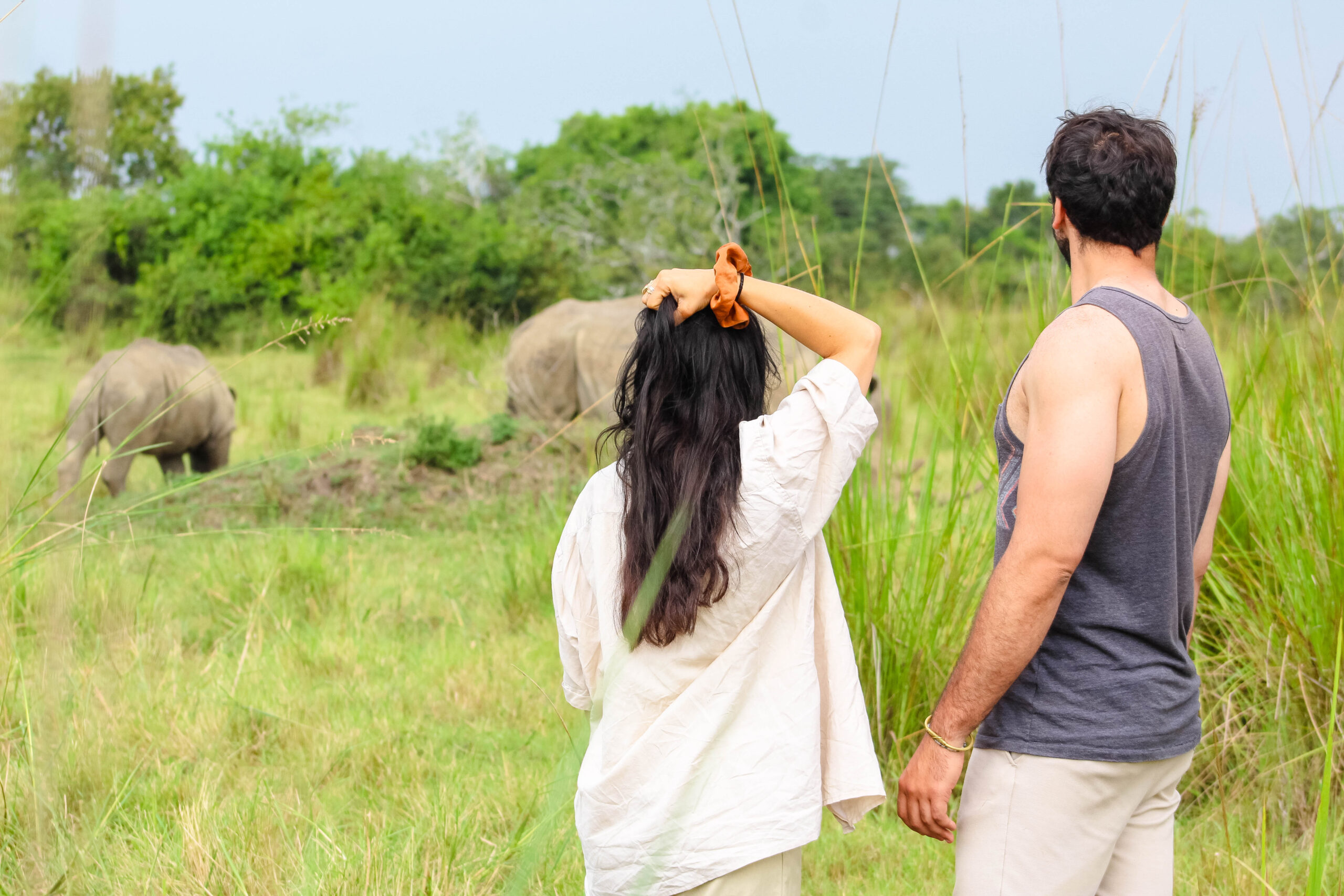
Travelers exploring Africa often ask whether Families can enjoy Walking Tours or if Family-Friendly Tours suit young children. They also wonder how cultural encounters integrate into Wildlife Safari experiences or whether Family Trips require special training. These concerns highlight the need to master Staying Safe and Respectful on a Safari because respect influences safety. The wilderness remains unpredictable, so travelers depend on expert guides who understand wildlife patterns. They also need to learn how to observe animals without causing stress. Respect becomes essential on Walking Safaris in national parks, especially when travelers encounter elephants, buffalo, or predators. Visitors who maintain distance protect themselves while reducing pressure on habitats. Responsible behavior also ensures that Family Safaris and Safari Holidays feel comfortable for every traveler.
Enhancing Cultural Appreciation Throughout the Tour
Staying Safe and Respectful on a Safari also strengthens cultural understanding because respectful travelers form deeper connections with communities. Many want to include cultural visits in their Tours, so they ask how to interact with Indigenous groups respectfully. These encounters demand kindness, patience, and awareness of local customs. Communities welcome visitors when travelers show interest in culture, food, music, and traditions. Respect shapes Family Holidays because children learn responsible tourism principles early. Primate World Safaris encourages travelers to treat wildlife, people, and landscapes with equal care.
By creating responsible journeys, we ensure Staying Safe and Respectful on a Safari remains an essential pillar of meaningful African travel.
Key Safety Practices While Staying Safe and Respectful on a Safari
Following Your Guide’s Expertise
Travelers often ask if Walking Safaris require special knowledge or if Game Drives remain safe for Family-friendly Tours. These questions matter because understanding guide instructions remains the foundation of Staying Safe and Respectful on a Safari. Guides understand terrain, wildlife movement, and changing conditions. When visitors follow instructions, they navigate the wilderness confidently. Families often enjoy Game Drives because guides help them observe lions, elephants, and giraffes safely. Travelers who listen remain protected even when exploring remote regions. On Hiking Trips that combine climbing and gorilla trekking extensions, guides support guests through steep trails. They offer advice on posture, breathing, and careful movement.
Maintaining Safe Distance and Silence
Visitors who keep a distance from wildlife support their own safety. The wilderness demands calm behavior because sudden movements can trigger defensive reactions. Families often ask whether children remain safe during Wildlife Safaris, and the answer lies in teaching them silence and stillness. These behaviors protect animals and visitors. Calm actions build confidence, especially during Walking Safaris in savannah landscapes. Silence also allows travelers to hear nature’s rhythm, making each Tour more memorable. Using binoculars helps travelers enjoy details without getting too close.
Through these steps, staying safe becomes natural, and Staying Safe and Respectful on a Safari strengthens every wilderness moment.
Respecting Wildlife While Staying Safe and Respectful on a Safari
Observing Without Interfering
Travelers join Safaris to see animals in their natural environment. They ask how to combine Family Holidays with Wildlife Safaris or whether Feeding animals increases connection. Responsible travel requires visitors to avoid feeding animals completely. Feeding disrupts natural behavior and creates danger. Observing without interrupting keeps animals healthy and relaxed. Respect for wildlife allows travelers to enjoy Family Trips confidently. It also protects ecosystems, especially in areas where predators roam freely. During Walking Safaris, travelers stay alert because each footstep matters. Guides teach observation techniques that reduce pressure on wildlife. When guests maintain silence, walking becomes peaceful and unforgettable.
Using Cameras Responsibly on the Tour
Many travelers want to capture memories, so they ask whether camera flash affects animals or if close photos create a risk. Camera flashes disturb animals, especially nocturnal species with sensitive eyes. Turning off flash ensures responsible photography throughout the Tour. Guides advise travelers on safe positions for photos during Game Drives or Walking Tours. Family-Friendly Tours benefit from this advice because children learn responsible behavior early. Responsible photography enriches every safari and supports Staying Safe and Respectful on a Safari.
By prioritizing respect, travelers experience authentic interactions without causing harm.
Environmental Ethics While Staying Safe and Respectful on a Safari
Staying on Designated Paths
Respect for the environment remains an essential part of Staying Safe and Respectful on a Safari because ecosystems thrive when travelers follow paths. Visitors often ask whether off-trail Walking Tours offer better viewing opportunities or if Hiking Tours need marked routes. Staying on paths protects nesting sites, insects, and fragile plants. It also prevents travelers from surprising animals. Responsible movement enhances Family Tours because children learn sustainability principles. Guides design paths carefully to balance safety and scenery. Respect for these routes maintains natural habitats for future generations.
Leaving No Trace During Safari Holidays
Travelers must also manage waste responsibly. Litter affects animal behavior and spoils landscapes. Sustainable tourism encourages visitors to pack reusable bottles and bags. Families benefit from this habit because it reduces environmental impact during Family-Friendly Safaris. On Luxury safaris, lodges often provide eco-friendly amenities to reduce waste. Snorkelling extensions on coastal tours also require environmental awareness because oceans remain sensitive. Respect for water ecosystems ensures beautiful coral reefs and clear oceans. Through these choices, travelers support the long-term survival of Africa’s wildlife.
Environmental ethics enrich every Tour and reinforce Staying Safe and Respectful on a Safari.
Cultural Respect While Staying Safe and Respectful on a Safari
Understanding Local Communities
Cultural experiences remain central to African travel. Visitors often ask how to interact respectfully with communities during Family Trips or Walking Tours. Respect involves greeting elders, dressing modestly, and showing interest in traditions. Communities welcome visitors who show humility and ask polite questions. Cultural Tours help families understand how local groups protect wildlife. These experiences shape Family Safaris because children learn appreciation for cultures beyond their own. Respect builds trust and ensures harmonious travel. Travelers remember these moments because connections enrich Safari Holidays as much as wildlife sightings.
Photography Etiquette With Local Communities
Travelers often wonder whether photos of communities require permission. Asking before taking photos shows sensitivity and respect. Communities appreciate travelers who seek consent. Respect for cultural privacy strengthens mutual understanding. Families enjoy these visits because children learn kindness. Cultural interactions also enhance Staying Safe and Respectful on a Safari because respectful travelers remain welcome everywhere.
Nighttime Safety During Staying Safe and Respectful on a Safari
Moving Safely in Lodges and Camps
Nighttime requires caution because wildlife often moves close to camps. Travelers should never walk alone after dark. Guides or lodge staff accompany guests to rooms. Flashlights help guests navigate safely. Families on Wildlife Safaris appreciate escorts because they reduce risk for children. At night, lions, hyenas, and elephants roam freely, making quiet movement essential. Visitors remain safe when they follow established paths around the camp. This awareness strengthens the value of Staying Safe and Respectful on a Safari because night environments require exceptional care.
Securing Personal Belongings
Personal items must remain zipped and sealed. Scented products attract monkeys and other animals. Toiletries kept inside protect both travelers and wildlife. Families who organize luggage carefully remain comfortable. Luxury safaris provide storage spaces that keep items protected. These habits prevent animals from developing an interest in visitors’ belongings.
Nighttime safety ensures travelers feel confident throughout the Tour and enhances their overall safari experience.
Combining Gorilla Trekking and Hiking With Staying Safe and Respectful on a Safari
Multi-Country Adventure Possibilities
Many travelers want to know if combining Gorilla Trekking with Hiking Trips fits into Tanzania Safari Holidays or Uganda Tours. Combining these adventures works beautifully through multi-country itineraries. Travelers can enjoy Wildlife Safaris in Tanzania or Kenya, then fly to Uganda for gorilla trekking. These journeys require improved awareness because mountain terrain demands physical preparation. Guides teach visitors how to move safely through forests. Respect for gorilla families becomes essential because gorillas respond to behavior. Silence and patience shape the trekking experience. Safety during Hiking Tours also requires stable footwear, hydration, and gentle pacing.
Respecting Primates in Their Natural Habitat
Travelers learn that respect protects primate groups. Approaching too closely creates stress for gorillas. Maintaining distance honors their space and keeps visitors safe. Families benefit from these guidelines because they ensure responsible trekking for adults and teenagers. By following the guide instructions and respecting forest ecosystems, travelers enjoy unforgettable primate encounters. Integrating gorilla trekking into safari holidays strengthens the meaning of Staying Safe and Respectful on a Safari.

Final Thoughts on Staying Safe and Respectful on a Safari
Staying Safe and Respectful on a Safari shapes every adventure, from Family-friendly Tours to luxury safaris. Travelers gain confidence when they understand how respect fosters safety. Wildlife Safaris become enjoyable when visitors follow guide instructions, maintain distance, and protect habitats. Cultural respect strengthens community connections and enhances each Tour’s value. Environmental care preserves landscapes so future generations can enjoy them. Traditional Walking Safaris, Game Drives, Hiking Tours, and Family Holidays all benefit from responsible behavior. Primate World Safaris remains committed to guiding travelers through Africa’s wilderness with expertise, care, and respect. Through these principles, safaris remain meaningful, memorable, and sustainable for all.