
The Ultimate Guide to Africa’s Great Migration
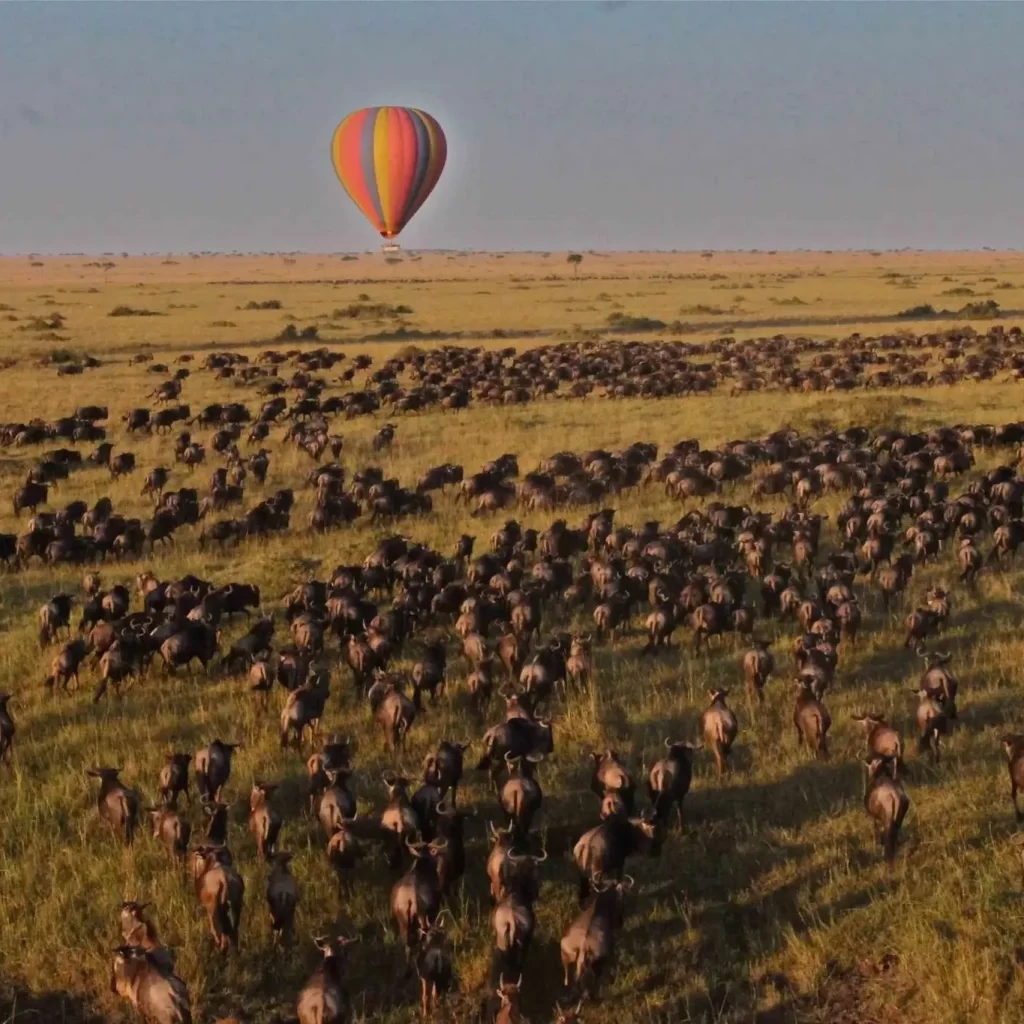
The Great Migration is not merely a tourist attraction. It is the heartbeat of the African wilderness. Every year, more than 1.5 million wildebeest, accompanied by around 300,000 zebras and hundreds of thousands of gazelles, move across the vast plains of Tanzania and Kenya in search of fresh grazing and water.
This incredible journey is often called the greatest wildlife spectacle on Earth. Yet it is much more than a breathtaking safari experience. It is a story of survival, instinct, birth, and death that has unfolded for thousands of years across the Serengeti-Mara ecosystem.
Many travelers ask the same question: What is the Great Migration and when can I see it? The answer depends on where the herds are during their annual cycle and which part of the migration you want to witness. Whether your dream is to see dramatic river crossings, newborn calves taking their first steps, or predators stalking vast herds on the open plains, timing is everything.
At Primate World Safaris, we help travelers experience the migration at its most spectacular moments by positioning them in the right place at the right time.
What Causes the Great Migration?
The Great Migration is driven by one simple factor: survival. As seasonal rains move across East Africa, fresh grass begins to grow in different regions of the Serengeti-Mara ecosystem. Wildebeest, zebras, and gazelles instinctively follow these new grazing opportunities.
Scientists believe the animals can detect distant storms, rainfall patterns, and the scent of fresh vegetation. Although researchers still do not fully understand how wildebeest navigate such vast distances year after year, their remarkable instincts guide them along ancient migration routes.
Without this constant movement, millions of grazing animals would quickly consume available resources. Migration allows the herds to find food and water while maintaining the natural balance of the ecosystem.
Why the Great Migration Is Called the Greatest Wildlife Show on Earth
The Great Migration is the largest land-based animal migration on the planet. Every year, the herds travel nearly 1,000 kilometers through the Serengeti and Maasai Mara ecosystems.
The scale is almost impossible to imagine until you see it yourself. Endless columns of wildebeest stretch across the horizon, creating a moving landscape of life. During peak migration periods, thousands of animals can pass a single point within hours.
This extraordinary concentration of wildlife attracts photographers, filmmakers, conservationists, and safari enthusiasts from around the world. Few natural events can match its size, drama, and ecological importance.
The Great Migration Route Across Tanzania and Kenya
The migration follows a circular route through two of Africa’s most famous wildlife destinations: Tanzania’s Serengeti National Park and Kenya’s Maasai Mara National Reserve.
The journey begins in the southern Serengeti and Ndutu region near the Ngorongoro Conservation Area. From there, the herds gradually move north through Central Serengeti and the Western Corridor before crossing the Grumeti River.
As the dry season intensifies, they continue toward the Northern Serengeti and eventually cross the Mara River into Kenya’s Maasai Mara. When the short rains return later in the year, the animals begin their journey south once again, completing one of nature’s most remarkable cycles.
Why Wildebeest, Zebras, and Gazelles Travel Together
Although wildebeest dominate the migration, they are not the only participants. Large numbers of zebras and Thomson’s gazelles travel alongside them throughout the journey.
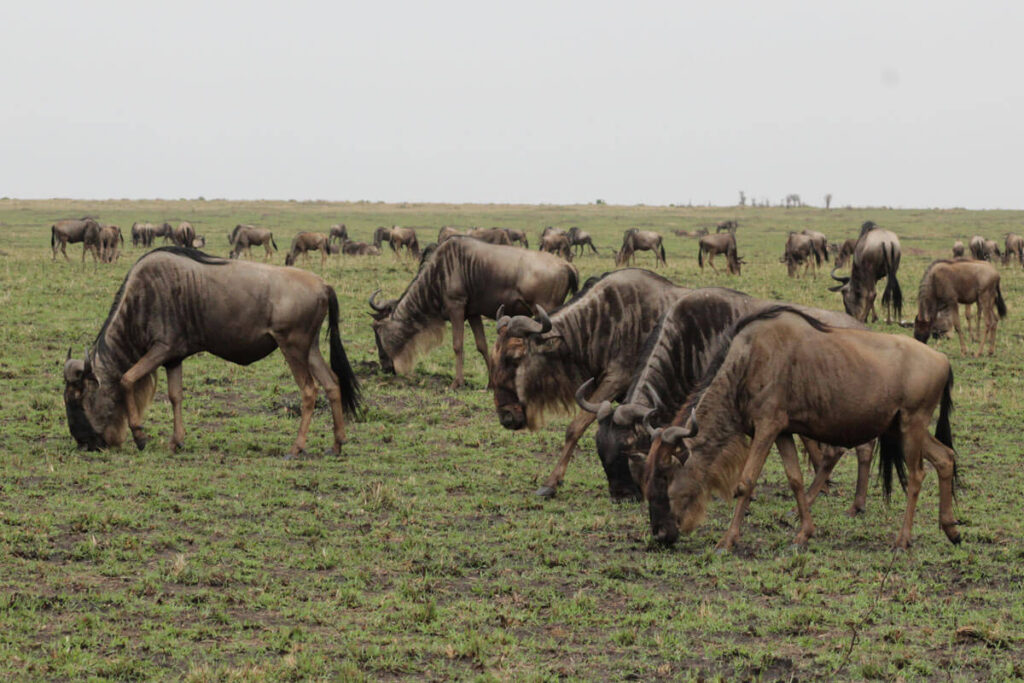
Each species plays a unique role. Zebras graze on taller grasses first. Wildebeest follow behind and feed on the shorter shoots that emerge. Finally, gazelles consume the most delicate grasses and herbs left behind.
This natural grazing pattern reduces competition and allows millions of animals to coexist while moving across the same landscape. It is a remarkable example of nature’s balance at work.
Understanding the Great Migration: A Year-Round Phenomenon
The Great Migration is not a single event. It is a continuous cycle that unfolds throughout the year.
Each stage offers unique wildlife encounters, landscapes, and opportunities for unforgettable safari experiences.
December to March – Calving Season in the Southern Serengeti
The migration begins in the Ndutu region of the Southern Serengeti. During this period, hundreds of thousands of wildebeest calves are born within a few weeks.
The abundance of newborn animals attracts predators such as lions, cheetahs, hyenas, and leopards. Wildlife viewing is exceptional, making this one of the best times for photographers and families.
Primate World Safaris offers specialized calving season safaris designed to maximize sightings during this remarkable period.
April to May – The Long Rains and Movement North
As rainfall continues, the herds gradually move toward Central Serengeti.
The landscape becomes lush and vibrant, creating excellent photography opportunities. Visitor numbers are generally lower, providing a quieter and more intimate safari experience.
June to July – The Grumeti River Crossings
The migration reaches the Western Corridor, where one of the first major obstacles awaits.
Thousands of wildebeest must cross the crocodile-filled Grumeti River. These crossings are dramatic and unpredictable, offering some of the most exciting wildlife encounters of the year.
Primate World Safaris helps guests access prime viewing locations for this thrilling stage of the migration.
August to October – The Famous Mara River Crossings
This is the most famous phase of the Great Migration.
The herds arrive in Northern Serengeti and Kenya’s Maasai Mara, where they face the formidable Mara River. Powerful currents, steep riverbanks, and giant Nile crocodiles make every crossing a life-or-death challenge.
Witnessing a Mara River crossing is often the highlight of a Great Migration safari and one of Africa’s most unforgettable wildlife experiences.
November – The Return Journey South
As rains return to the southern plains, the migration begins moving back toward the Serengeti.
Although this period receives less attention, it still offers excellent game viewing and opportunities to witness large herds on the move.
The Constant Battle for Survival
The Great Migration is not only about movement. It is also about survival.
Throughout the journey, predators closely follow the herds. Lions, leopards, cheetahs, hyenas, wild dogs, and crocodiles all depend on the migration for food.
River crossings are particularly dangerous. Many animals become trapped in strong currents or fall victim to crocodiles waiting beneath the surface. Others suffer injuries on steep riverbanks.
Yet despite these dangers, the migration continues. Each challenge strengthens the cycle of life that defines this extraordinary natural phenomenon.
Why the Great Migration Is Unpredictable
One of the biggest misconceptions about the Great Migration is that it follows a strict calendar.
In reality, the movement of the herds depends largely on rainfall patterns. Early rains can speed up migration, while delayed rains can cause animals to remain in one area longer than expected.
Because nature never follows an exact schedule, no two migration seasons are identical. This unpredictability is part of what makes every safari unique.
At Primate World Safaris, we continuously monitor weather conditions and migration movements to help guests maximize their chances of witnessing key migration events.
When Is the Best Time to See the Great Migration?
The best time to see the Great Migration depends on the experience you want.
December to March
Best for calving season, newborn wildlife, and predator action.
June to July
Ideal for witnessing the dramatic Grumeti River crossings.
August to October
Peak migration season featuring the famous Mara River crossings.
November
Excellent for quieter safaris and observing the herds as they return south.
Our safari specialists can help you choose the perfect travel dates based on your interests and wildlife viewing goals.
What to Expect During a Great Migration Safari
A Great Migration safari is unlike any other wildlife experience.
Some days you may watch thousands of wildebeest crossing a river. Other days you may encounter a pride of lions hunting near a herd or witness newborn calves taking their first steps.
Patience often leads to extraordinary rewards. Wildlife encounters happen naturally, and every safari unfolds differently.
The unpredictability, scale, and raw emotion of these moments are what make the Great Migration one of Africa’s most sought-after safari experiences.
Why the Great Migration Matters
The Great Migration is more than a wildlife spectacle. It is one of Africa’s most important ecological processes.
As millions of grazing animals move across the ecosystem, they help maintain healthy grasslands and distribute nutrients across vast landscapes. Their movement supports predators, scavengers, birds, insects, and countless other species.
The migration also supports conservation efforts and local communities through sustainable tourism. Responsible safari travel helps protect migration corridors and ensures future generations can continue to experience this natural wonder.
At Primate World Safaris, we are committed to promoting conservation-focused tourism that benefits both wildlife and local communities.
Why Choose Primate World Safaris for a Great Migration Safari?
Choosing the right safari company can make all the difference.
Expertly Curated Itineraries
Our team tracks migration movements and positions guests where wildlife action is most likely to occur.
Premium Safari Lodges and Camps
We work with carefully selected lodges and mobile camps located along the migration route.
Professional Safari Guides
Our experienced guides provide deep insights into animal behavior, migration patterns, and conservation.
Customized Safari Experiences
Whether you prefer luxury lodges, private safaris, or adventurous camping experiences, we tailor every itinerary to your preferences.
Responsible Tourism
We support conservation initiatives and community projects that protect East Africa’s wildlife heritage.

Conclusion
The Great Migration is one of the most extraordinary wildlife spectacles on Earth. More than two million animals move across Tanzania and Kenya each year in a timeless cycle shaped by rainfall, survival, and instinct.
Whether you dream of witnessing dramatic Mara River crossings, seeing thousands of newborn calves during calving season, or experiencing endless herds stretching across the Serengeti plains, there is no wrong time to experience this incredible phenomenon.
Understanding what the Great Migration is and when to see it is the first step toward planning the safari of a lifetime.
With Primate World Safaris, you can explore Africa’s greatest wildlife event with expert guides, carefully planned itineraries, and exceptional safari experiences designed around the migration’s most spectacular moments.