
Astrophotography 101
For the adventurous photographer in 2026, there is no silhouette more iconic than the ancient Upside-Down Tree of Africa set against the celestial fire of the Milky Way. The baobab (Adansonia) can live for over 2,500 years; capturing one beneath a galaxy that is billions of years old creates a sense of deep time that few other subjects can match.
Thanks to the rise of ultra-sensitive mirrorless sensors and the expansion of dark-sky tourism in East and Southern Africa, capturing this Holy Grail of nightscapes is more achievable than ever. At Primate World Safaris, we’ve guided countless Astro-Safaris through the high plateaus and salt pans where these giants grow. Here is your definitive 2026 guide to mastering the shot.
You cannot simply walk out on any night and see the Milky Way core. The Milky Way Season in the Southern Hemisphere is roughly February to October.
To get The Shot, you need two things: an isolated Baobab and zero light pollution.
|
Top 2026 Destination |
Why it’s Perfect |
Ground Conditions |
|
Kubu Island, Botswana |
A granite island of ancient baobabs in a sea of salt. |
Absolute darkness; 360° horizons. |
|
Tuli Block, Botswana |
Rugged landscapes with massive, weathered trees. |
Dramatic rocky foregrounds. |
|
Limpopo, South Africa |
High density of Champion-sized baobabs. |
Accessible luxury lodges with astro-focus. |
|
Tarangire, Tanzania |
Massive baobab forests are adjacent to wildlife. |
High altitude for better atmospheric clarity. |
You don’t need a $10,000 setup, but you do need a camera that can handle high ISO.
The Earth is rotating; if your shutter is open too long, the stars will turn into blurry lines (star trails).
To find your maximum shutter speed, use the 500 Rule:
Shutter Speed = 500\ [Focal Length times Crop Factor]
Example: If you are using a 20mm lens on a full-frame camera (Crop Factor = 1):
500\ 20 = 25 seconds
A common mistake is focusing only on the stars and leaving the tree as a pitch-black blob.
In places like Kubu Island or private conservancies, it is safe, but in National Parks (like Tarangire), you must be accompanied by an armed ranger or a professional guide. Predators like lions and hyenas are active at night, and your safety is the priority.
You likely exceeded the shutter speed limit for your lens. Try reducing your exposure by 5 seconds and increasing your ISO to compensate. Also, ensure your Image Stabilization (IS/VR) is turned OFF when on a tripod.
In 2026, high-end smartphones (like the latest iPhone or Pixel) have Astrophotography modes that are surprisingly good. However, they lack the raw data needed for large-scale printing. For social media, they work; for a gallery wall, use a dedicated camera.
PhotoPills is the gold standard for 2026. It has an Augmented Reality (AR) mode that allows you to see exactly where the Milky Way will be at 2:00 AM while you are standing there at 4:00 PM.
Yes. High humidity or dust haze will wash out the stars. This is why the Dry Season (Winter) is the undisputed best time for African astrophotography.
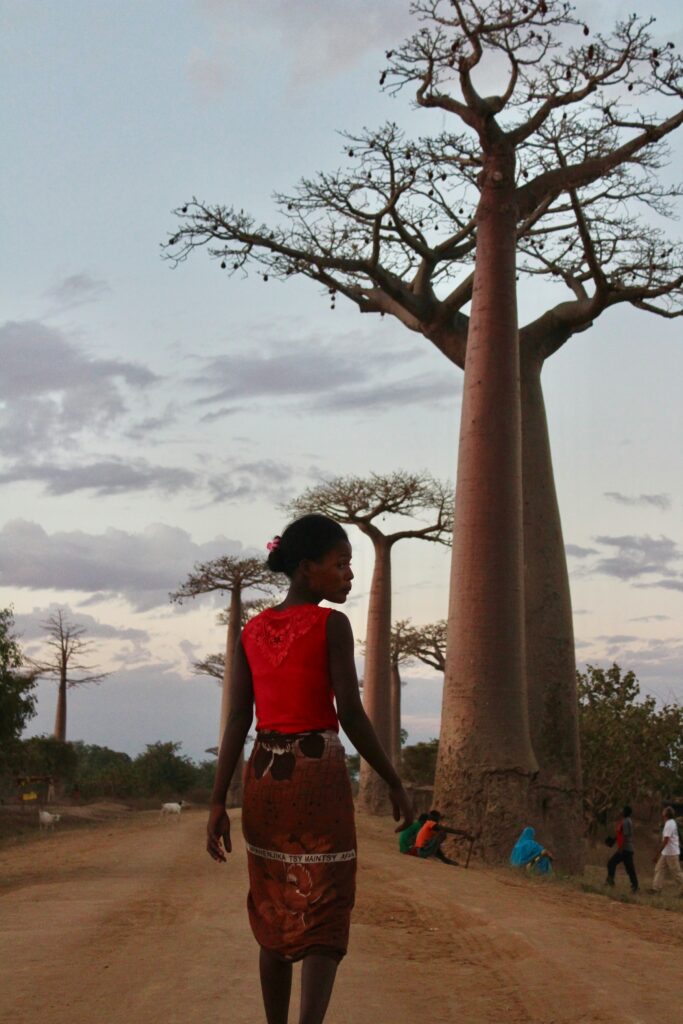
Standing alone in the Kalahari or the Limpopo bushveld, waiting for a 25-second exposure to finish, is a meditative experience. You aren’t just taking a photo; you are witnessing the same sky that ancient civilizations used to navigate these very plains.
Are you ready to join our 2026 Stars & Shadows workshop? At Primate World Safaris, we specialize in Slow Safaris that give photographers the time and security needed to capture these rare moments.